Fraud scoring built
for Indonesian
payment patterns.
A real-time fraud detection system for QRIS, e-wallet, card, bank transfer, and social-engineering patterns in Indonesia.
What is ICS Compute Fraud Detection?
ICS Compute Fraud Detection is a real-time fraud detection tool designed to analyze digital transactions using transaction, account, device, customer, and behavioral signals.
It evaluates transactions across QRIS, e-wallets, cards, bank transfers, and other payment flows, assigns a risk score, explains the signals behind flagged activity, and routes higher-risk cases to fraud analysts for review.
The system is designed around Indonesian payment patterns while keeping fraud teams in control of risk thresholds, escalations, and policy decisions.
A fraud system that doesn't know your market
isn't protecting it.
Generic fraud models often miss local tactics, block legitimate customers, and create alert queues that are hard for analysts and compliance teams to trust.
False positive
QRIS chains, e-wallet movement, mule behavior, and WhatsApp scam flows need Indonesia-specific signals.
Local pattern gaps
QRIS payment chains, e-wallet transfers, and local WhatsApp scams are invisible to models built for other markets.
Risk decisions
Black-box scores make it difficult for compliance teams to explain why a transaction was blocked or escalated.
Customer friction
Unclear fraud rules can interrupt good customers and weaken trust in the transaction experience.
Five steps.
Four run automatically.
Your fraud team sets risk thresholds, reviews escalations, and approves policy changes. The system scores, explains, routes, and learns from analyst feedback.
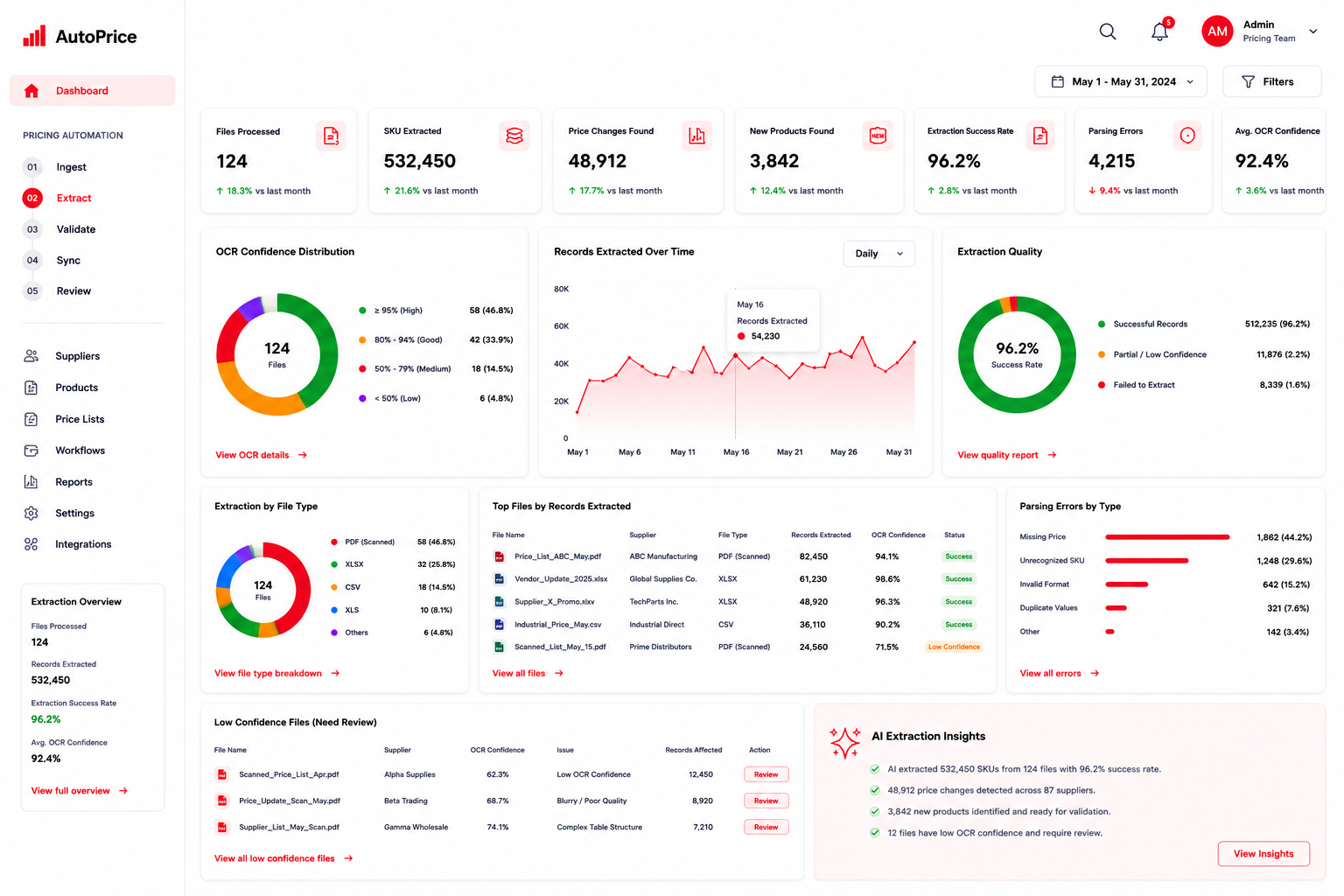
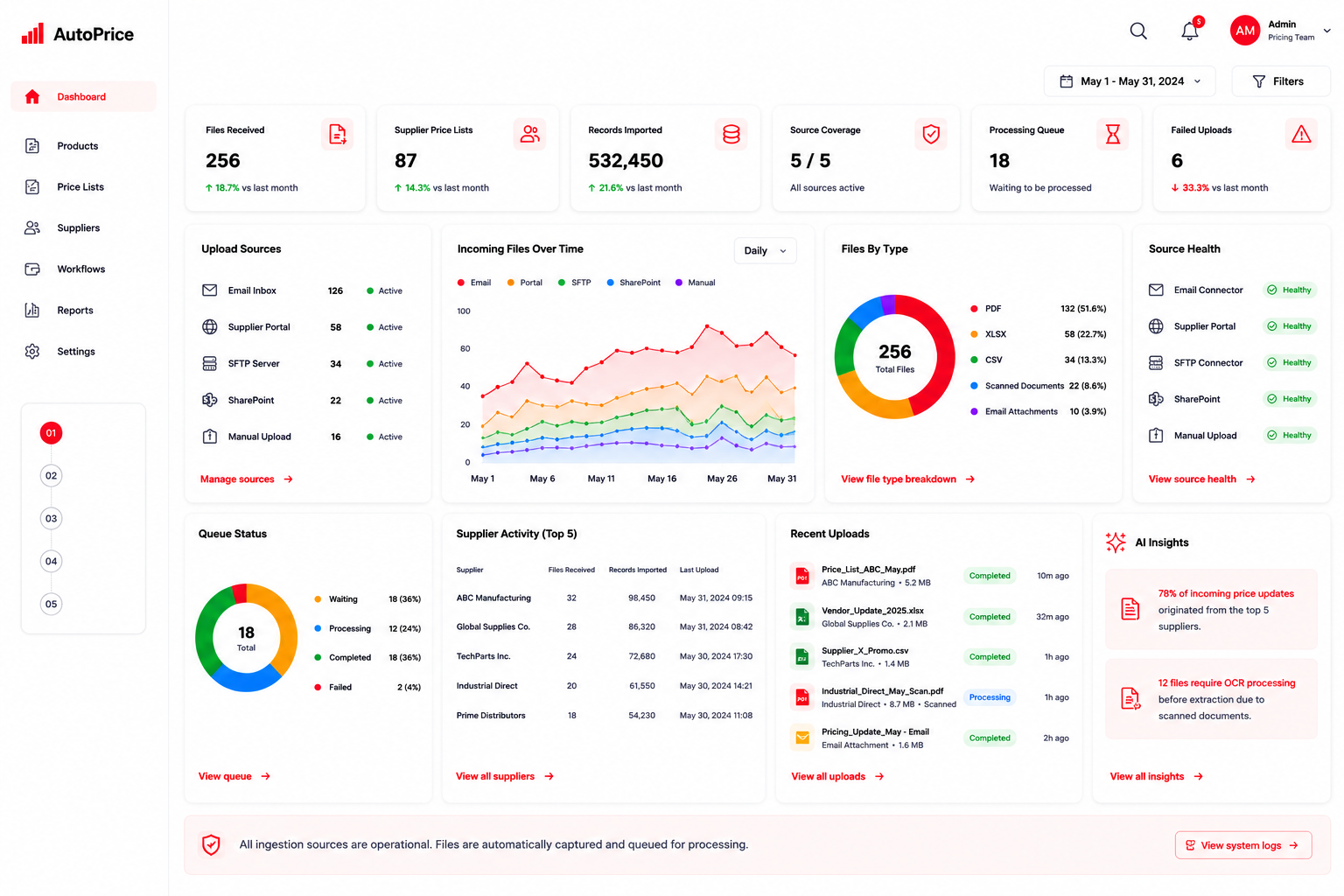
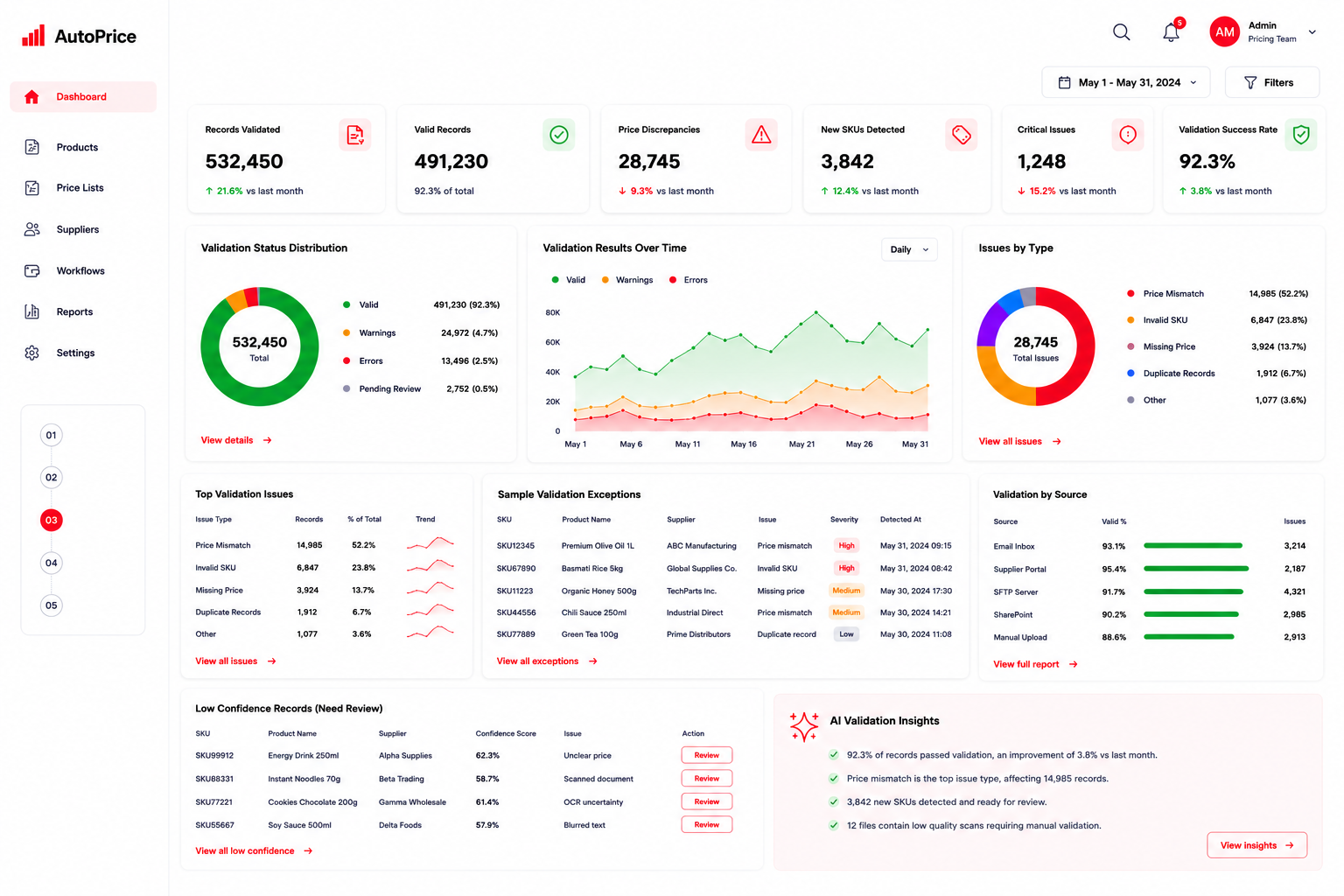
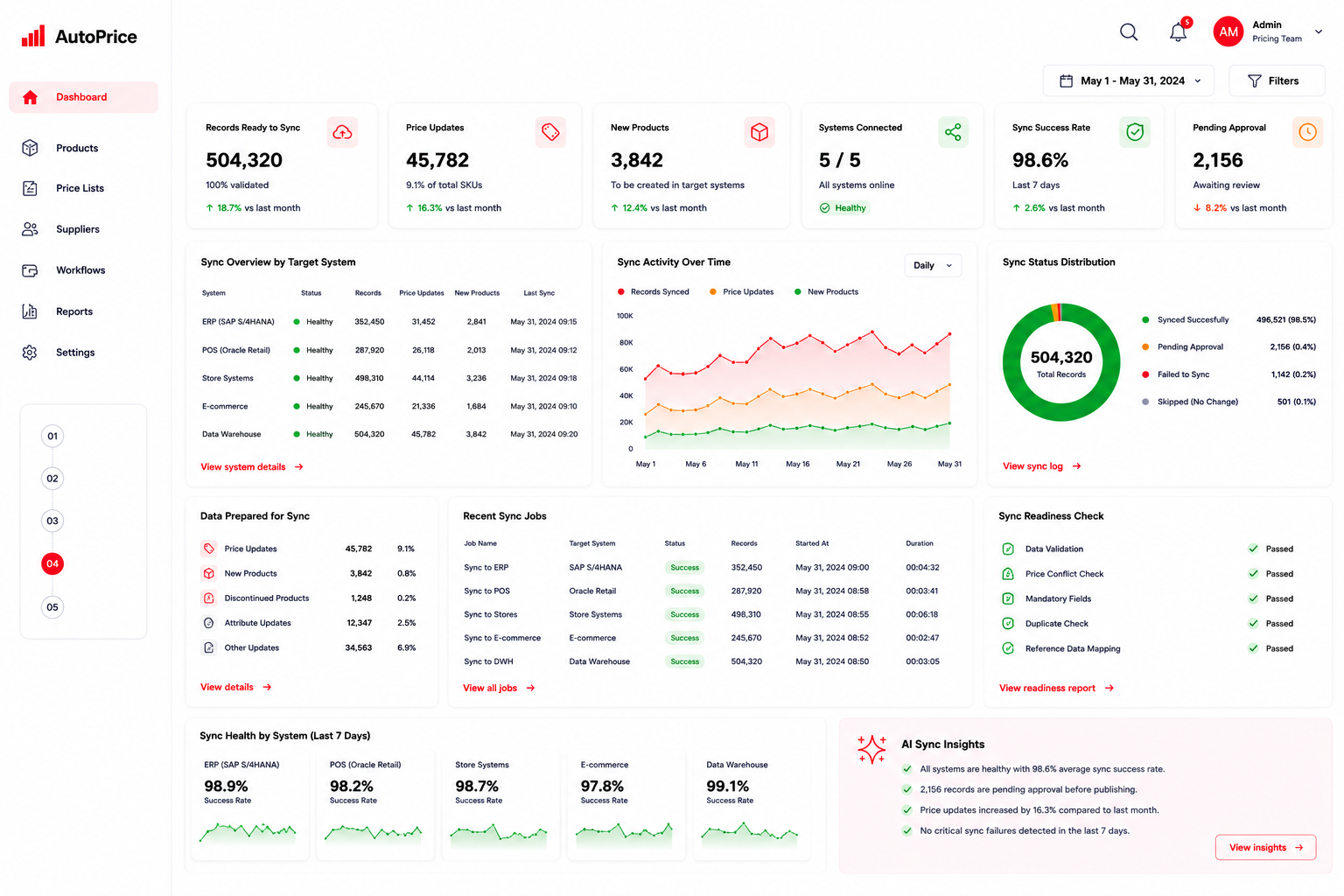
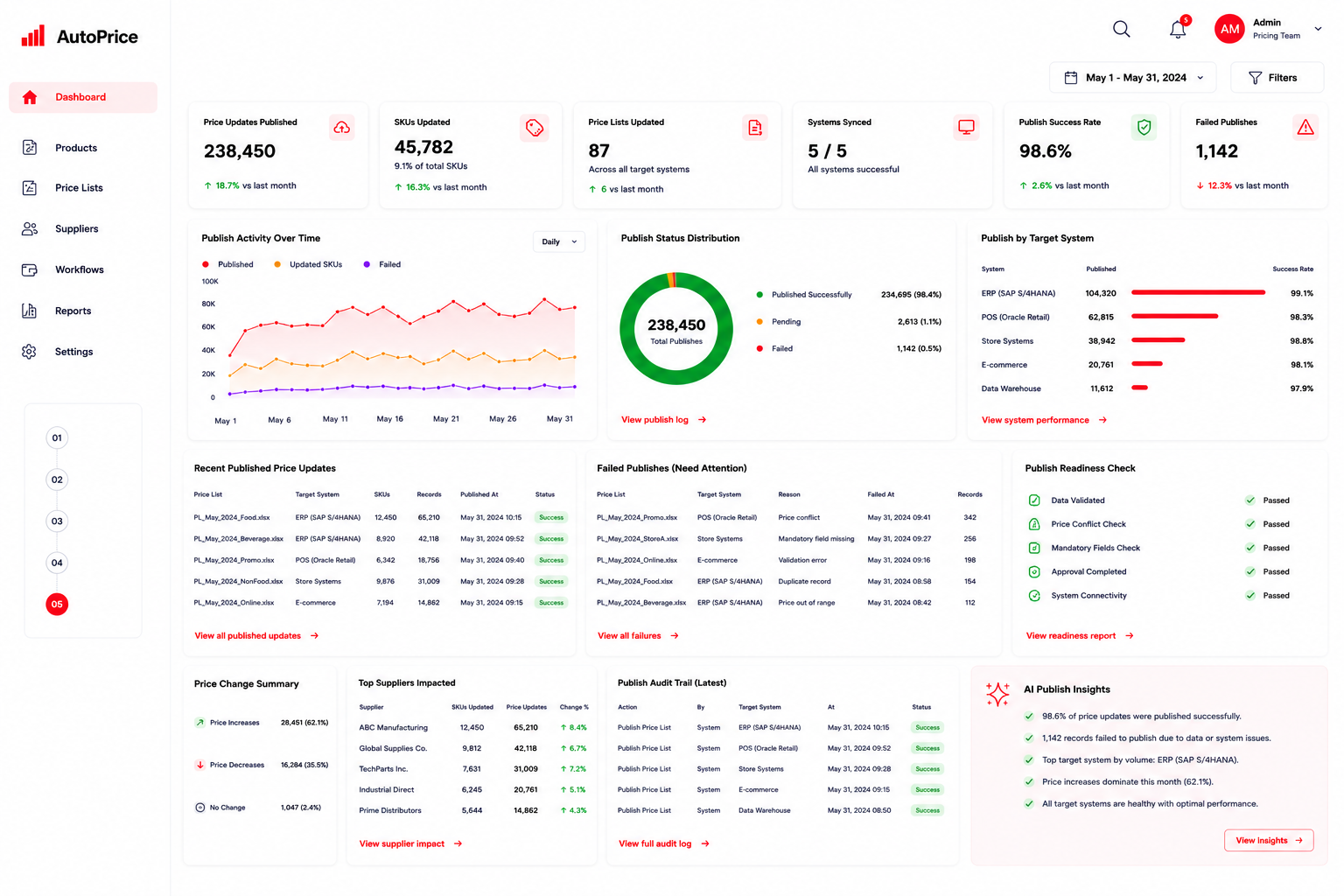
Every score comes with a reason. Your compliance team can review & defend
What your team actually sees.
Live dashboard, risk scores, flagged transactions, account links, analyst actions, and plain-language explanations in one view.
Less alert noise.
More useful fraud signals.
-
Fewer false positives
Analysts spend more time on meaningful risk and less time clearing noise.
-
Live transaction scoring
Risk decisions can happen inside the transaction flow without relying only on delayed review.
-
Explainable decisions
Every score includes a clear reason for analyst, customer, and compliance review.
-
Adaptive detection
The model improves as fraud tactics change and analysts provide feedback.
Questions about fraud detection
Common questions from fraud, risk, compliance, and technology teams evaluating real-time fraud detection.
What is an AI fraud detection tool?
An AI fraud detection tool analyzes transaction and behavioral data to identify activity that may indicate fraud. Instead of relying only on predefined rules, machine learning can evaluate combinations of signals, assign risk scores, and help fraud teams prioritize transactions that require further review.
Who is this fraud detection tool for?
ICS Compute Fraud Detection is designed for banks, fintech companies, payment providers, e-wallet platforms, marketplaces, and other businesses processing high volumes of digital transactions. It is particularly relevant for teams that need real-time risk scoring, clearer fraud alerts, and explainable decisions for analyst and compliance review.
How does ICS Compute Fraud Detection work?
The system connects transaction, device, account, customer, and payment signals, then evaluates each transaction against relevant fraud patterns and risk policies. Transactions receive a risk score and an explanation of the signals behind the decision. Higher-risk cases can then be routed to fraud analysts with supporting context for review.
What types of transactions can the system analyze?
The system is designed to support digital payment flows including QRIS, e-wallet transactions, card payments, and bank transfers. The exact signals and transaction sources used depend on the payment environment, available data, and fraud patterns that need to be monitored.
Can fraud analysts see why a transaction was flagged?
Yes. Flagged cases include the signals and patterns that contributed to the risk score, together with a plain-language explanation. This gives fraud and compliance teams more context when reviewing, escalating, or investigating a transaction.
Can the fraud detection tool integrate with existing payment systems?
Yes. The system can connect to existing banking or payment environments using transaction, account, customer, device, and other relevant data sources. The integration approach depends on the organization's current architecture, available APIs, transaction flow, and security requirements.
How is AI fraud detection different from rule-based fraud monitoring?
Rule-based fraud monitoring evaluates transactions using predefined conditions, such as transaction limits or specific behavioral triggers. Machine learning can evaluate a broader combination of signals and identify patterns that may not fit a single predefined rule. In practice, both approaches can work together, with rules enforcing known controls while machine learning provides additional risk scoring and pattern detection.
Can the system be tested before live deployment?
Yes. ICS Compute offers a historical scoring assessment using a sample of past transactions. The assessment can compare existing alerts with local fraud signals, identify potential missed patterns or false positives, and evaluate explainability before changes are introduced into a live transaction environment.
Show us your false positives.
We'll show you what local scoring catches.
We re-score a sample of your past transactions, compare it against your current workflow, and show where local fraud signals improve detection and reduce noise.
Test before live deployment
We review sample transactions and show false alerts, missed patterns, and explainability gaps without changing your live systems.